

Online Marketing: The Complete Guide to Growing Your Business in the Digital Age
What Is Online Marketing?
The Basic Concept of Online Marketing
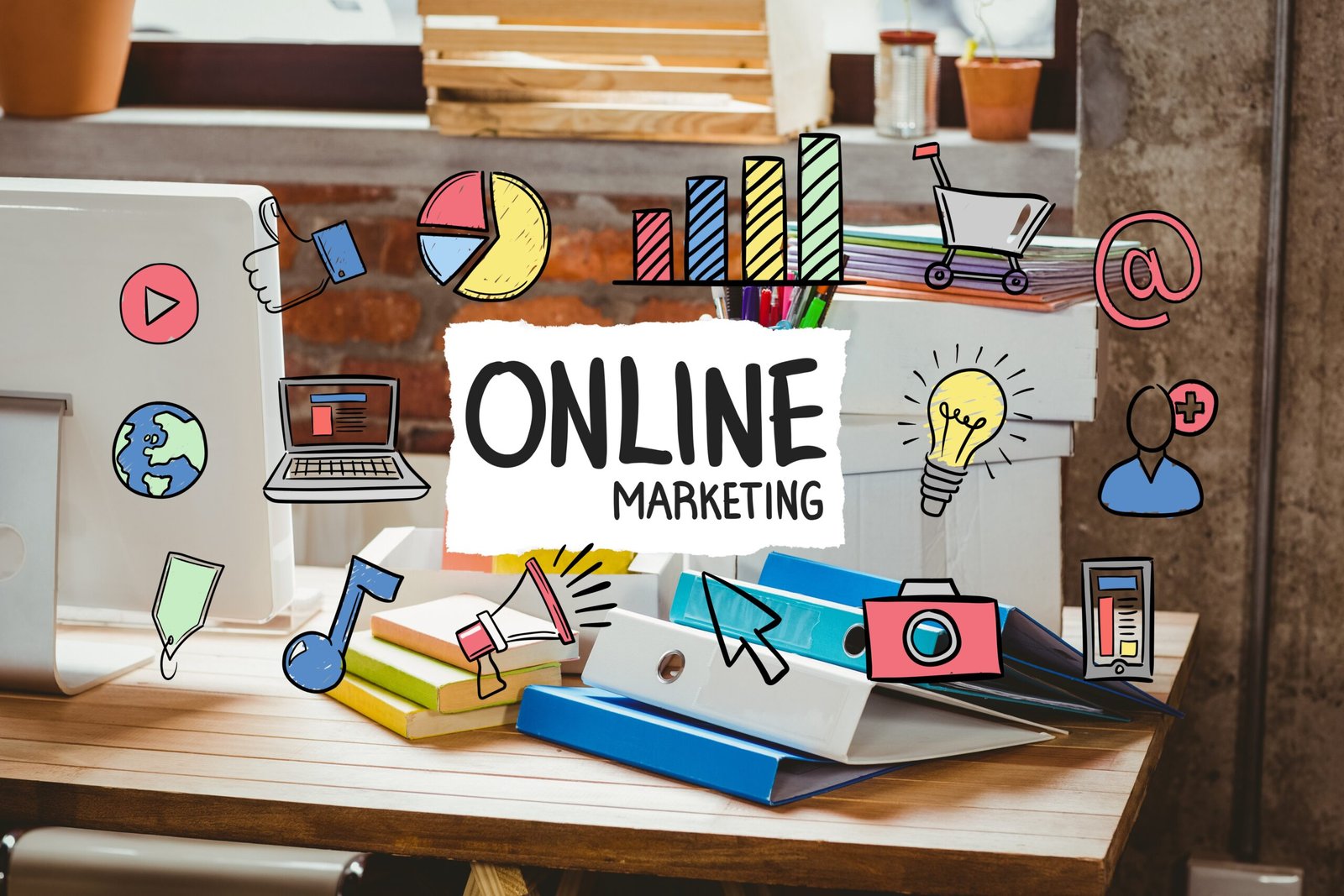
Online marketing, also called digital marketing, refers to promoting products or services using the internet and digital technologies. Instead of relying on traditional methods such as newspapers, radio, or billboards, online marketing uses platforms like websites, search engines, social media, email, and mobile apps to connect with customers. In simple terms, it is the process of reaching people where they spend most of their time today: online.
Think about how people discover products today. When someone wants to buy a phone, book a hotel, or learn something new, they usually start with an internet search. Businesses understand this behavior, which is why online marketing has become one of the most powerful tools for growth. By creating useful content, running advertisements, and engaging with audiences online, companies can attract potential customers and guide them toward making a purchase.
Another important aspect of online marketing is measurability. Unlike traditional marketing, where results are often difficult to track, digital platforms allow marketers to measure almost everything. They can see how many people clicked on an ad, visited a website, or purchased a product. This ability to track data helps businesses improve their strategies and focus on what works best.
In today’s competitive business environment, online marketing is not just an option—it is a necessity. Whether you run a small blog, an e-commerce store, or a global brand, building a strong online presence is essential for reaching modern consumers and staying ahead of competitors.
How Online Marketing Differs from Traditional Marketing
Traditional marketing methods have been used for decades. These include television advertisements, radio commercials, newspaper ads, and physical billboards. While these methods can still be effective, they often require large budgets and reach broad audiences rather than specific groups. Online marketing, on the other hand, offers precision targeting and real-time results.
One of the biggest differences is targeting capability. With online marketing, businesses can target specific audiences based on age, location, interests, or behavior. For example, a company selling sports equipment can show advertisements only to people who search for fitness-related topics. This level of accuracy reduces wasted advertising money and increases the chances of reaching interested customers.
Another difference lies in cost efficiency. Digital marketing campaigns can start with small budgets, making them accessible even for startups and small businesses. Traditional advertising often requires expensive media placements that smaller companies cannot afford. Online marketing platforms like search engines and social media allow advertisers to pay only when users click on their ads, making campaigns more flexible and affordable.
Interaction is another key factor. Traditional marketing mostly communicates one-way messages from companies to consumers. Online marketing creates two-way communication, allowing customers to comment, ask questions, and share feedback. This interaction helps businesses build trust and long-term relationships with their audience.
As the digital world continues to evolve, the advantages of online marketing become even more evident. Businesses that adapt to these changes gain a powerful opportunity to grow their brand, reach global markets, and connect with customers in meaningful ways.
Why Online Marketing Is Important in 2026
Global Growth of Digital Advertising
Online marketing has experienced remarkable growth over the past decade. Businesses worldwide are shifting their advertising budgets toward digital platforms because they offer measurable results and greater reach. In fact, global digital advertising spending is projected to reach $734.6 billion in 2025, highlighting the massive investment companies are making in online promotion.
This growth is driven by the rapid expansion of internet usage and digital technology. Today, billions of people access the internet daily to search for information, shop online, watch videos, and interact with social media platforms. As consumer behavior moves online, businesses naturally follow their audience. Digital marketing allows companies to reach potential customers at every stage of their buying journey, from discovery to purchase.
Another reason for the rapid growth of online marketing is its ability to generate measurable results. Marketers can analyze campaign performance through detailed metrics such as impressions, clicks, conversion rates, and return on investment. These insights allow businesses to adjust strategies quickly and optimize their campaigns for better performance.
The digital marketing industry itself is also expanding rapidly. Experts predict that the global digital marketing market could reach $786.2 billion by 2026, demonstrating its long-term importance for businesses worldwide. (Amra and Elma LLC) Companies that ignore digital marketing risk falling behind competitors who use modern tools to reach customers more effectively.
The Power of Mobile and Internet Users
The growth of mobile technology has significantly transformed online marketing. Smartphones are now the primary way many people access the internet, making mobile-friendly marketing strategies essential for businesses. Studies show that over 60% of global web traffic comes from mobile devices, and this number continues to grow every year.
Mobile technology has changed how consumers interact with brands. People can search for products, read reviews, compare prices, and make purchases instantly from their phones. This convenience has created new opportunities for businesses to reach customers at the exact moment they are interested in buying something.
Social media platforms also play a huge role in this digital ecosystem. Billions of people use social networks daily to connect with friends, watch videos, and discover new brands. Research shows that over 5 billion people worldwide use social media, making it one of the most powerful channels for online marketing.
These trends highlight an important reality: the internet is now the central marketplace for modern consumers. Companies that invest in strong digital marketing strategies can reach massive audiences, build brand awareness, and drive significant sales growth.
Main Types of Online Marketing
Search Engine Optimization (SEO)
Search Engine Optimization (SEO) is one of the most important components of online marketing. SEO focuses on improving a website’s visibility in search engine results so that more people can find it when searching for relevant information. When users search for a product, service, or topic online, search engines display a list of results. Websites that appear near the top of this list usually receive the majority of clicks and traffic.
SEO involves several techniques designed to improve a website’s ranking in search engines. These include keyword research, high-quality content creation, technical optimization, and building backlinks from other websites. By implementing these strategies, businesses can attract organic traffic without paying for advertisements.
One of the biggest advantages of SEO is its long-term impact. While paid advertising stops generating traffic once the budget runs out, well-optimized content can continue attracting visitors for months or even years. This makes SEO a valuable investment for businesses looking to build sustainable online growth.
Statistics show that companies are increasingly investing in SEO because of its strong return on investment. In fact, 64% of marketers say SEO provides the best ROI among digital marketing strategies, highlighting its importance in modern marketing campaigns.
SEO also helps build credibility and trust. Users often trust search engine results and assume that websites appearing at the top are more reliable and authoritative. By optimizing their content and improving their search rankings, businesses can strengthen their reputation and attract more customers.
Social Media Marketing
Social media marketing involves promoting products, services, or brands through social networking platforms. Platforms such as Facebook, Instagram, TikTok, LinkedIn, and X (formerly Twitter) allow businesses to interact directly with their audience and build strong online communities.
The influence of social media in marketing is enormous. People spend hours each day browsing social platforms, watching videos, and engaging with content. Research shows that individuals spend an average of 2 hours and 19 minutes daily on social media, making these platforms ideal spaces for businesses to reach potential customers.
Social media marketing is effective because it encourages engagement and interaction. Businesses can share informative posts, entertaining videos, and promotional offers that capture audience attention. When users like, comment, or share content, it increases visibility and helps brands reach new audiences organically.
Another powerful feature of social media marketing is targeted advertising. Platforms provide advanced advertising tools that allow businesses to show ads to specific groups based on demographics, interests, and behavior. This ensures that marketing messages reach people who are most likely to be interested in the product or service.
Influencer marketing is also becoming an important part of social media marketing. Influencers have loyal audiences that trust their recommendations, making them valuable partners for brands seeking to expand their reach and credibility.
Benefits of Online Marketing for Businesses
Cost Effectiveness
One of the most appealing aspects of online marketing is its affordability compared to traditional advertising. Small businesses and startups often struggle with limited marketing budgets, making expensive television or billboard advertising unrealistic. Digital marketing, however, offers flexible options that allow companies to start with minimal investment while still reaching large audiences.
Online advertising platforms operate on various pricing models, including pay-per-click (PPC) and cost-per-impression (CPM). These models allow businesses to pay only when users interact with their ads, ensuring that marketing budgets are spent efficiently. This flexibility enables companies to test different campaigns, analyze results, and adjust strategies without risking large financial losses.
Digital marketing also reduces many traditional marketing costs. Businesses can promote products through websites, social media, and email campaigns instead of printing flyers or purchasing expensive media placements. This cost reduction allows companies to allocate resources toward improving products, customer service, or content quality.
Another advantage is scalability. Digital marketing campaigns can start small and expand as the business grows. A startup may begin with a small advertising budget and gradually increase spending as revenue increases. This scalability makes online marketing accessible to businesses of all sizes, from individual bloggers to multinational corporations.
Global Reach and Targeting
Online marketing removes geographical barriers and allows businesses to reach audiences worldwide. A company operating in one country can easily promote its products to customers across the globe through websites, online marketplaces, and social media platforms.
This global reach creates incredible opportunities for businesses that previously relied on local markets. For example, an entrepreneur selling handmade products can use e-commerce platforms and digital marketing to attract customers from multiple countries. This ability to reach international audiences expands revenue potential and increases brand recognition.
Another powerful feature is precise targeting. Digital marketing platforms collect vast amounts of data about user behavior, interests, and demographics. Marketers can use this information to create highly targeted campaigns that reach the right audience at the right time. Instead of showing ads to everyone, businesses can focus on people who are most likely to become customers.
Targeting also improves customer experience. When people see relevant advertisements related to their interests, they are more likely to engage with the content. This personalized approach helps businesses build stronger relationships with their audience while improving campaign performance.
Future Trends in Online Marketing
Artificial Intelligence in Marketing
Artificial intelligence is rapidly transforming the online marketing landscape. AI-powered tools can analyze massive amounts of data, identify patterns, and make predictions that help marketers improve their strategies. These technologies allow businesses to create more personalized marketing campaigns and deliver relevant content to each user.
Research shows that over 51% of marketing teams already use AI to optimize content creation and marketing performance, highlighting the growing importance of artificial intelligence in digital marketing.
AI tools can generate marketing copy, recommend keywords, automate email campaigns, and analyze customer behavior in real time.
Chatbots are another example of AI in marketing. Many companies use chatbots to answer customer questions, provide support, and guide users through the buying process. These automated assistants can handle thousands of interactions simultaneously, improving efficiency and reducing customer service costs.
As AI technology continues to evolve, it will become an even more powerful tool for marketers. Businesses that adopt AI-driven strategies will gain valuable insights into customer behavior and create more effective marketing campaigns.
Influencer and Video Marketing
Influencer marketing and video content are becoming dominant forces in online marketing. Consumers increasingly trust recommendations from content creators and influencers who share authentic experiences with products or services.
Video marketing is particularly powerful because it combines visual storytelling with emotional engagement. Online videos attract billions of viewers worldwide, and many consumers prefer watching videos over reading text when learning about products. By creating engaging video content, businesses can capture attention and communicate messages more effectively.
Influencer marketing is also experiencing rapid growth. Brands collaborate with influencers who have loyal audiences, allowing them to promote products in a more personal and relatable way. This strategy helps businesses reach niche communities and build trust with potential customers.
Together, influencer marketing and video content are reshaping the digital marketing landscape. Businesses that embrace these trends can connect with audiences more authentically and create memorable brand experiences.
Conclusion
Online marketing has transformed how businesses connect with customers, promote products, and grow their brands. In a world where billions of people spend hours online every day, digital marketing provides an unmatched opportunity to reach global audiences and build meaningful relationships with consumers.
The rise of mobile technology, social media, and data-driven strategies has made online marketing more powerful than ever before. Businesses can target specific audiences, track campaign performance in real time, and adjust strategies to achieve better results. Whether through SEO, social media marketing, content creation, or paid advertising, digital marketing offers a wide range of tools for achieving business success.
As technology continues to evolve, new opportunities will emerge for marketers who are willing to adapt and innovate. Artificial intelligence, video marketing, and influencer partnerships are just a few of the trends shaping the future of online marketing. Companies that embrace these changes and invest in strong digital strategies will be better positioned to thrive in the competitive digital landscape.
My Website Link
Youtube
FAQs
1. What is online marketing in simple terms?
Online marketing is the promotion of products or services using the internet through channels such as websites, search engines, social media, and email.
2. Why is online marketing important for businesses?
Online marketing helps businesses reach a larger audience, track campaign results, and promote products more effectively than traditional marketing methods.
3. What are the main types of online marketing?
The main types include SEO, social media marketing, content marketing, email marketing, affiliate marketing, and paid online advertising.
4. Is online marketing suitable for small businesses?
Yes. Online marketing is often more affordable than traditional advertising and allows small businesses to compete with larger companies by targeting specific audiences.
5. What skills are needed for online marketing?
Key skills include content creation, SEO knowledge, data analysis, social media management, and understanding customer behavior.