
Introduction
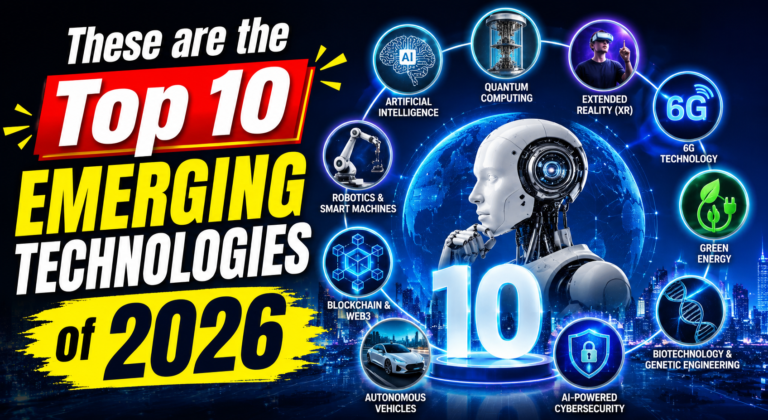
Information Technology (IT), as an influential force in the modern world, has become one of the most powerful forces that shape the way businesses are conducted, the way people communicate, learn, and work. The past few decades have seen tremendous growth in the field of Information Technology, transforming industries and providing opportunities for innovation. As the digital world continues to change and evolve, the future of Information Technology looks promising and full of change.
The rapid growth of artificial intelligence, cloud computing, big data, cybersecurity, and automation is changing the way businesses are conducted and the way people interact with technology. Businesses are increasingly using digital technology to enhance their growth, while governments are investing in the development of technology to enhance their infrastructure. The digital world is changing the way things are done, and the future of Information Technology is essential for everyone interested in the field of modern technology.
This article will discuss the future of Information Technology in the digital world, including the trends and technologies that are changing the way things are done in the modern world.
The Evolution of Information Technology
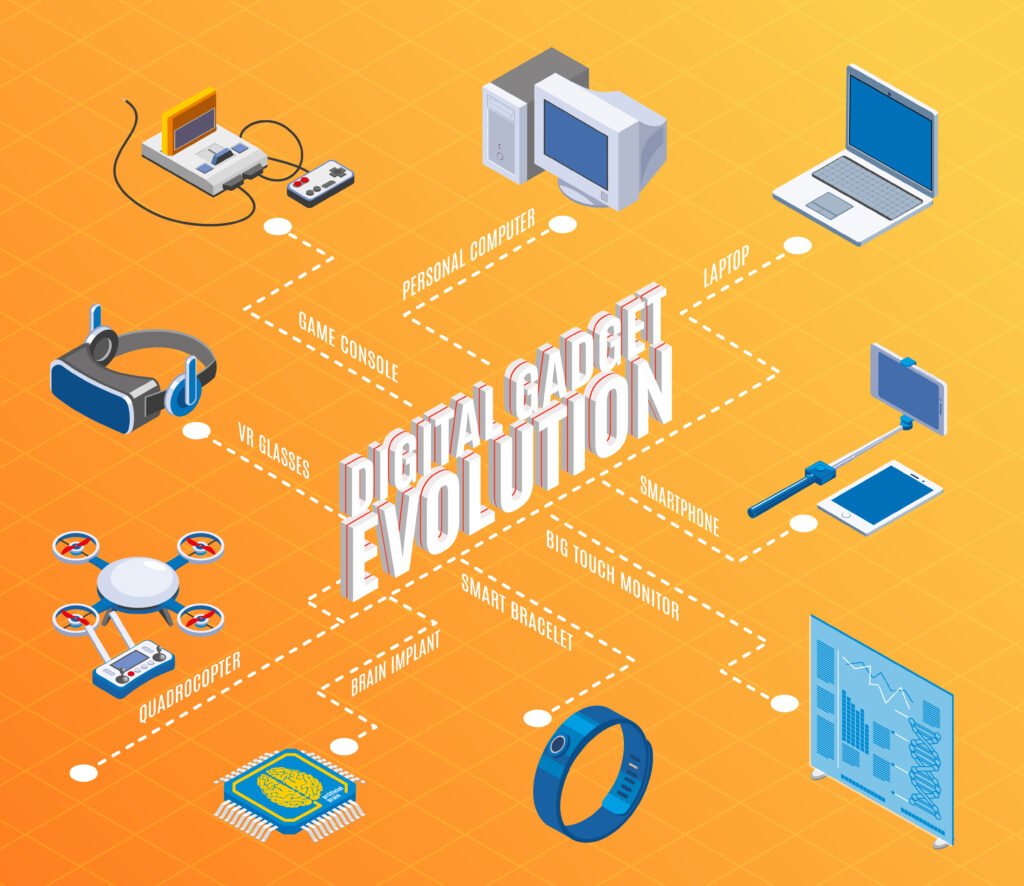
Information Technology has undergone tremendous changes over the years. For instance, in the early days, computers were large, costly, and mainly used by governments and research organizations. However, with time, computers became smaller, faster, and accessible to businesses and individuals due to various technological changes.
One of the most significant milestones in the development of Information Technology was the introduction of the internet in the 1990s. The introduction of the internet enabled individuals across the globe to communicate, do business, and access information. Since then, there has been no looking back, as various technologies, including smartphones, cloud computing, and artificial intelligence, have revolutionized Information Technology.
Today, Information Technology is used in almost all industries, including healthcare, education, finance, transportation, entertainment, among many others. The future of Information Technology is expected to be even better, as digital technologies continue to improve.
Artificial Intelligence and Automation
In the future, Artificial Intelligence (AI) is expected to play an important role in the future of Information Technology. AI is an intelligent system that is capable of simulating human intelligence. It is used in machines that can perform functions that require human thinking.
In the coming years, Artificial Intelligence is expected to continue changing the world by automating many functions. Many businesses are currently using AI to help them make informed decisions. For instance, many organizations use AI in customer service. AI is used in chatbots that respond to customer inquiries.
Automation is becoming an integral part of modern Information Technology. Many organizations are currently using automated processes that can perform various functions. For instance, an automated system can perform functions such as data entry, system monitoring, and software testing. This enables organizations to free employees from routine functions.
In the future, the integration of Artificial Intelligence and automation is expected to lead to smarter systems. It is expected to lead to an increase in productivity and innovation in the virtual world.
Cloud Computing and Digital Infrastructure
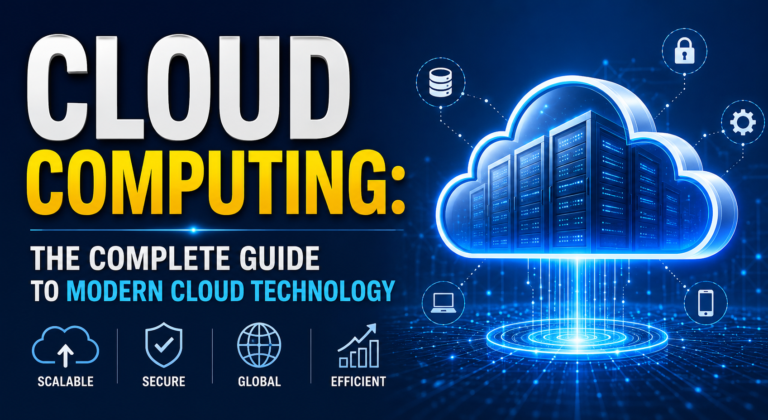
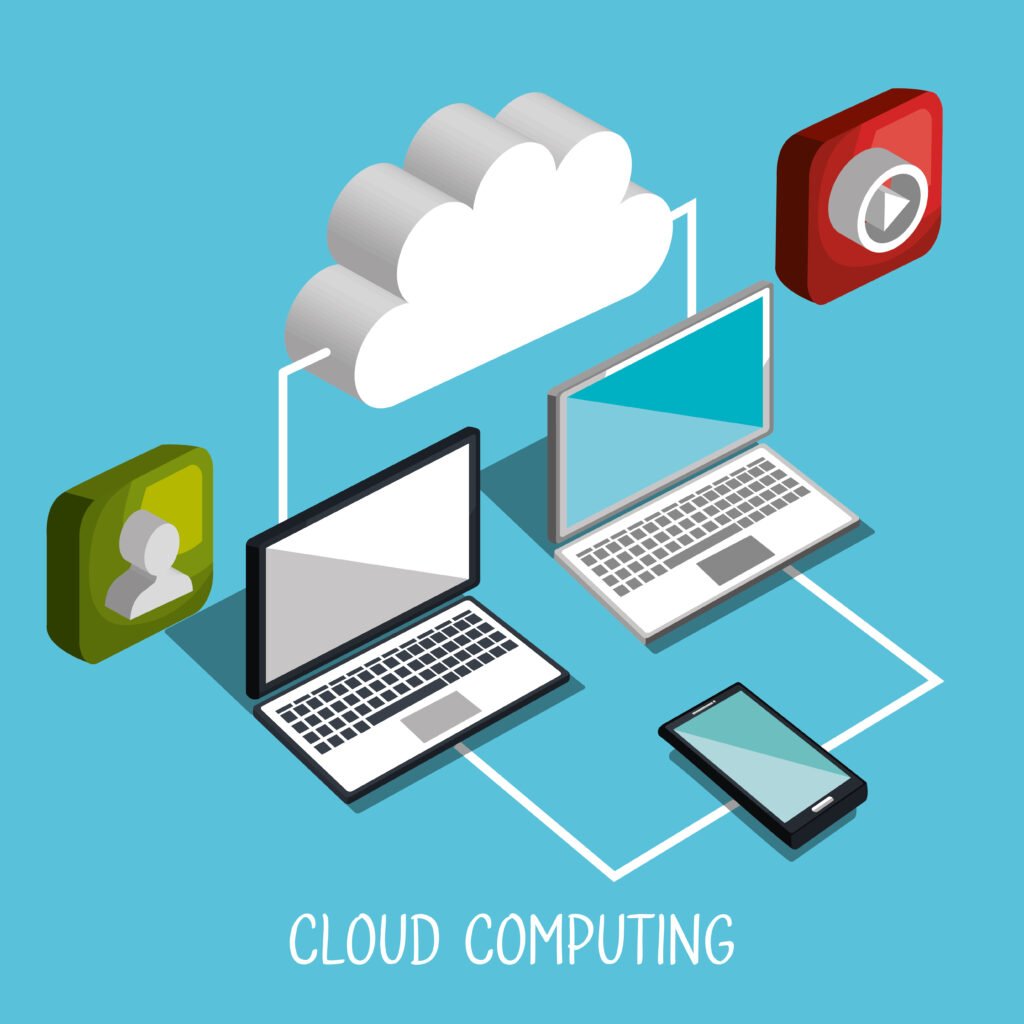
Cloud computing has become a major part of the IT infrastructure of many organizations. Instead of using computers or servers for the storage of information, cloud computing has made it easier for organizations to store and access information using remote servers connected to the internet.
The major advantage of cloud computing is the ability of the system to increase or reduce the computing power of the system according to the organization’s needs. Cloud computing is therefore useful for all kinds of businesses, including start-ups and large corporations.
In the future, cloud computing is expected to grow as more and more organizations are likely to adopt the use of digital platforms. Hybrid cloud computing, which combines the public and private cloud, is likely to be more dominant in the future. These systems will be more effective in terms of flexibility, security, and performance.
Cloud computing is likely to be useful in the future for the development of emerging technologies such as artificial intelligence, big data analytics, and the Internet of Things due to the ability of the system to provide the required computing power for the analysis of large amounts of information.
Big Data and Data Analytics
One of the most valuable resources in the digital world is data. Each day, businesses, governments, and individuals produce huge volumes of data in the form of online activity, transactions, and digital interactions.
Big data technologies allow organizations to collect, process, and analyze data, providing valuable insights. Data analytics is useful for businesses, as it enables organizations to understand customer behavior, improve products, and make better decisions.
In the future, data-driven approaches will become even more relevant. Advanced analytics tools will allow organizations to predict future trends, recognize opportunities, and react quickly to changes in the market. Machine learning algorithms will be useful in analyzing complex data sets, enabling organizations to discover patterns in data, which might not be easily visible to humans.
However, the increasing importance of data is also a matter of concern, as it affects data privacy.
Cybersecurity in the Digital Age
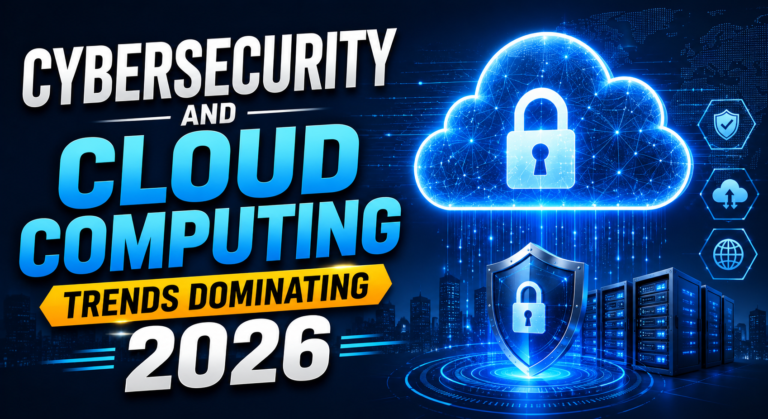
As the digital world grows in size, cybersecurity is a major issue that must be addressed. This is due to the fact that cyberattacks, data breaches, and frauds are on the increase.
Therefore, the future of information technology will require the implementation of more robust security measures to protect information and increase trust in the digital world. In the near future, cybersecurity specialists will be instrumental in protecting information from various security threats.
Technologies such as artificial intelligence and machine learning will be instrumental in enhancing cybersecurity. These technologies will help to identify security threats and respond to them before the threats occur.
Cybersecurity awareness will also be a major issue in the future. This is due to the fact that people will be required to practice safe internet habits to minimize the chances of security threats.
The Internet of Things (IoT)
The Internet of Things is the network of connected devices that are used to share and exchange information with other devices over the internet. The devices used in the IoT network are smartphones, smart home devices, wearable devices, and sensors.
The IoT technology is changing various industries and businesses by providing real-time monitoring and improving decision-making. For example, smart home devices are used to control home devices remotely using mobile applications.
In other industries such as manufacturing and logistics, IoT devices are used to monitor and track devices and detect problems before they occur.
As the IoT technology is advancing and improving, billions of devices are going to be connected to the internet.
The Role of 5G and Advanced Networking
The development of 5G technology is expected to have a significant impact on the future of Information Technology. 5G networks are faster and provide better connectivity compared to the past versions of wireless technology.
These emerging technologies will be made possible by the faster and more efficient networks. They include autonomous vehicles, smart cities, and augmented reality, among others. The faster and more efficient networks will provide businesses with the ability to create more efficient and advanced digital technologies and applications.
Advanced networking will provide more collaboration and work-from-home opportunities. As businesses continue to advance and become more efficient in the use of technology, the need for faster and more efficient internet connectivity will be critical.
The Rise of Remote Work and Digital Collaboration
With the digital revolution in workplaces, remote work is becoming increasingly popular. The digital revolution in workplaces is mainly due to digital technologies like cloud computing, video conferencing, etc. Remote work is becoming increasingly popular, and many organizations are adopting digital collaboration technologies to allow their employees to collaborate with each other remotely.
The future of IT will continue to be flexible, as many organizations will continue to invest in digital collaboration technologies that allow their employees to collaborate with each other remotely. Some of the advantages of remote work include reduced operational costs, better work-life balance, etc. However, there are certain challenges that organizations need to be aware of. Some of these challenges include cybersecurity risks, communication challenges, etc.
The Impact of IT on Education
Information Technology is having a huge impact on the education sector, providing new opportunities for learning. The use of Information Technology in education is helping students access learning materials anywhere in the world.
In the future, digital education is expected to continue to improve as technology is increasingly integrated into learning environments. For instance, artificial intelligence is expected to be used in education, enabling personalized learning. This is because it can be used to change learning materials according to individual student requirements.
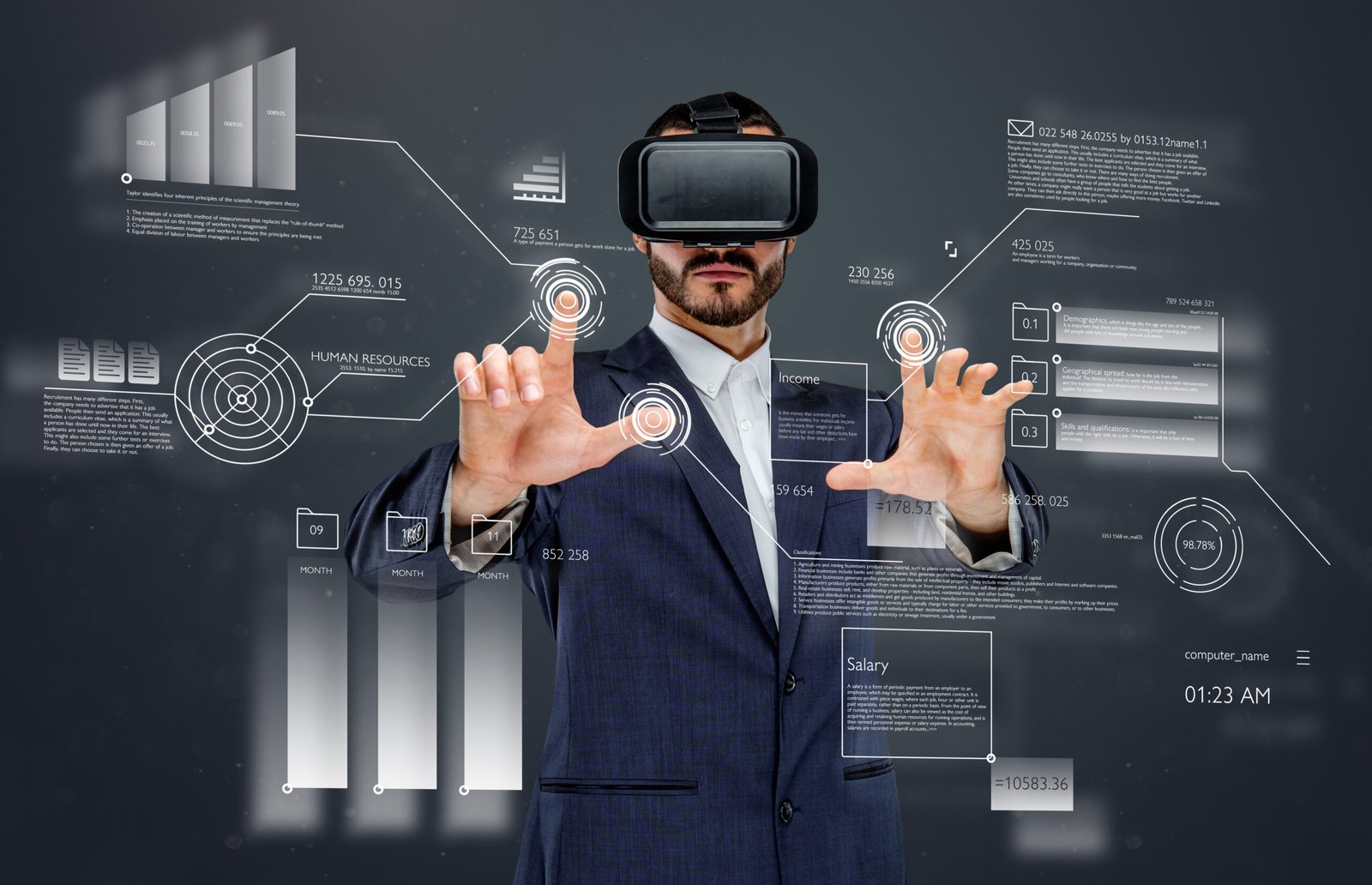
Additionally, virtual reality and augmented reality technologies could be used in education. For instance, virtual reality could be used to allow students to access historical events, scientific concepts, or even environments. This is expected to improve education, making it accessible, interesting, and effective.
Ethical and Social Challenges in the Digital World
Though there are many advantages of technological changes, there are also many challenges that need to be considered. Some of these challenges include data privacy, digital inequality, and the impact of technology on employment.
Technological changes like AI and automation may cause many to worry about their jobs, as these technologies replace human intervention in many tasks. However, these technologies also bring opportunities for jobs in data science, cybersecurity, and software development, among others.
Digital inequality is another challenge, as not everyone has access to technology and the Internet. Closing this digital gap is another challenge that must be considered in order to bring these technologies to the rest of the globe.
It is important for governments, organizations, and technology developers to work together in order to create ethical use of digital technologies.
The Future Opportunities in Information Technology
The future of Information Technology presents an array of opportunities for innovation, entrepreneurship, and career advancement. The need for skilled Information Technology professionals will always be on the rise with the introduction of new technologies.
Some of the promising Information Technology careers include artificial intelligence, data science, cybersecurity, cloud computing, and software development. Information Technology professionals who continually strive to update their knowledge and skills to keep up with technology trends will have a competitive advantage in the digital workforce.
Information Technology entrepreneurs have an opportunity to innovate new technologies to solve global issues, improve efficiency, and enrich user experiences. Fintech, health technology, and digital services startups have the potential to revolutionize the future of the global economy.
Conclusion
The future of Information Technology in the digital world is full of promising opportunities and exciting innovations. New technologies like artificial intelligence, cloud computing, big data, cybersecurity, and the Internet of Things are revolutionizing the way individuals, organizations, and governments are conducting their activities.
As the digital revolution continues to move at an accelerated pace, the role of Information Technology in shaping the global economy and society will become even more prominent. As there are problems like cybersecurity threats, ethical issues, and digital disparities, the opportunities for growth are huge in the digital world.
As the digital revolution continues to change the way individuals and organizations are conducting their activities, the role of Information Technology will become prominent. The future of Information Technology is not just about technology; rather, it is about developing a smart, connected, and innovative world for everyone.