
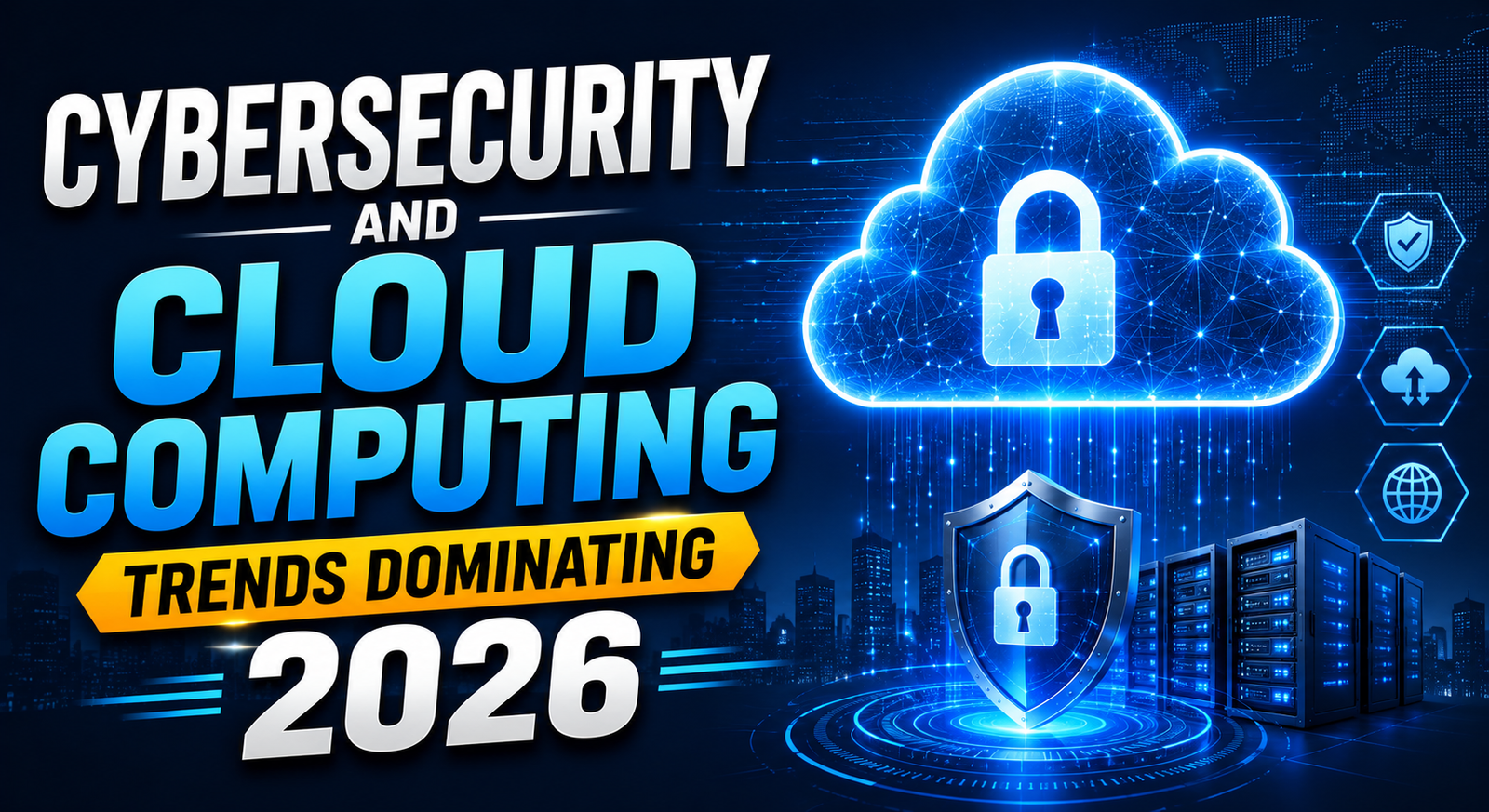
Cybersecurity and Cloud Computing Trends Dominating 2026
Today, both companies and private citizens depend on technology to save their data and perform operations online. Moreover, as technologies develop at an incredibly high pace, cybersecurity and cloud computing have turned into one of the most topical themes in the industry of information technology. In 2026, the use of these technologies has been growing rapidly allowing companies to secure themselves, improve their efficiency, and minimize operational expenses.
The increasing threat from cyberattacks, ransomware, and other types of threats require organizations to strengthen their cybersecurity systems. Besides, the development of cloud computing is changing the way applications, files, and services are managed by companies.
Therefore, the purpose of this article is to discuss the most trending cybersecurity and cloud computing topics of 2026 and explain their importance for companies.
What Is Cybersecurity?
The term cybersecurity implies the protection of software, applications, and networks from any potential cyber threats such as attacks on systems, hacking, data loss, or identity theft.
Among different aspects of cybersecurity include:
- network security,
- application security,
- cloud security,
- endpoint protection,
- data encryption, and
- identity management.
Today, cybersecurity is not a choice but a requirement for businesses.
What Is Cloud Computing?
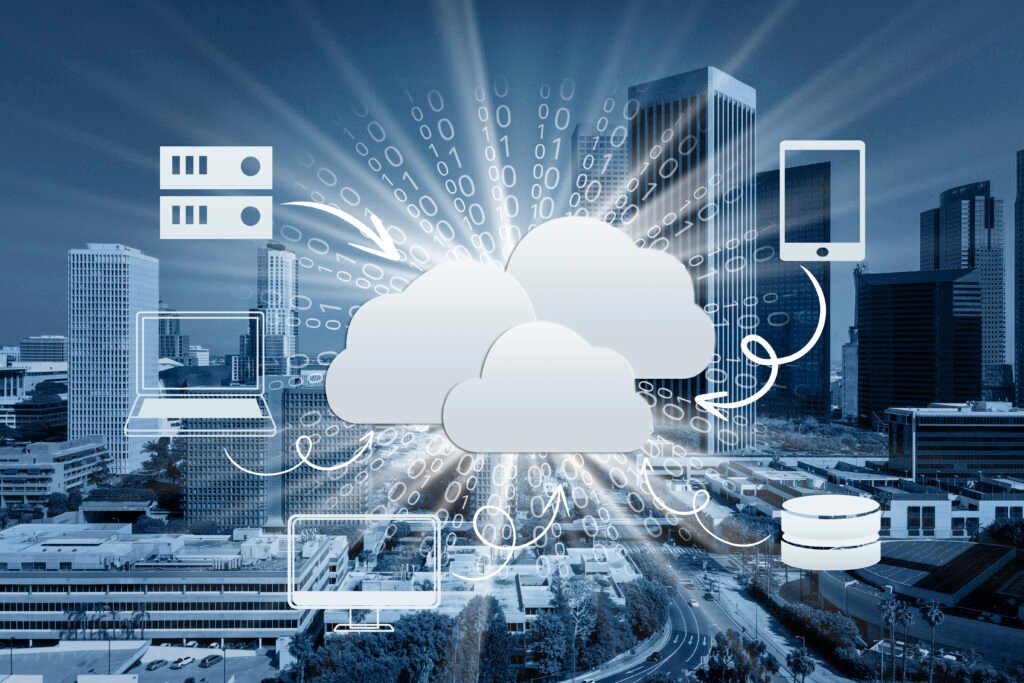
Cloud computing refers to the provision of computing services through the internet. Companies make use of the cloud-based service rather than storing data on physical devices such as computers and servers.
Examples of cloud computing technologies include:
- Cloud storage
- Web hosting
- Software as a Service (SaaS)
- Infrastructure as a Service (IaaS)
- Platform as a Service (PaaS)
Why Is Cybersecurity and Cloud Computing Important in 2026?
The world is now highly connected compared to before. Businesses run their activities virtually, employees can be anywhere across the globe, and customers demand quick access to services digitally.
These factors bring both advantages and security threats. The attackers now have access to advanced technology such as artificial intelligence and automation, which helps them perform cyberattacks.
Companies are also shifting to cloud-based service due to its efficiency and economic advantage.
As a result, the major cybersecurity and cloud computing trends in 2026 will center around safeguarding and developing technological innovations.
1. AI-Driven Cybersecurity
Artificial intelligence is another cybersecurity trend in 2026. Businesses use AI-based security systems to detect threats promptly and automatically take action against them.
Conventional security solutions may fail to detect current cyberattacks. On the other hand, AI can scan massive data sets for anomalies in real-time.
Advantages of Using AI for Cybersecurity
- Swift threat detection
- Automatic response mechanisms
- Enhanced fraud protection
- Lowering human errors
- Real-time surveillance
AI-based cybersecurity measures can pinpoint suspicious logins, malicious software, and phishing attempts instantly.
Nonetheless, cyber attackers are leveraging AI to develop intelligent attacks. This implies that companies will have to continually improve their security systems.
2. Zero Trust Security Architecture
The Zero Trust security architecture is becoming a significant approach for cybersecurity in 2026.
In conventional cybersecurity approaches, users were considered trustworthy once they had accessed the network infrastructure of an organization. Zero Trust does not automatically trust any individual or device inside the company’s network.
Everyone must prove their identity to access computer systems or data.
- Characteristics of Zero Trust
- Multi-factor identification
- Continuous observation
- Identity verification
- Access restrictions
- Segmentation of networks
Zero Trust enhances security by lowering the chances of insider risks and unauthorized access.
Organizations have embraced Zero Trust due to remote working arrangements and cloud computing, which have increased digital environments outside conventional office premises.
3. Multi-Cloud Approach
The adoption of multi-cloud environments is one of the leading trends in cloud computing for 2026.
Unlike single clouds, organizations utilize different cloud platforms for greater flexibility and reliability.
- Multi-Cloud Computing Benefits
- Performance
- Downtime reduction
- Data backup improvement
- Flexibility
- Optimization of costs
Firms can leverage various cloud providers for cloud storage, applications, and analysis purposes.
This way, companies minimize their dependence on any particular cloud service provider and plan for disaster recovery effectively.
However, the use of multiple cloud platforms raises security issues for businesses. Hence, organizations should embrace a robust cybersecurity system that protects data from vulnerabilities in all cloud environments.
4. Cloud-Native Security
With an increasing number of businesses adopting cloud computing, cloud-native security is increasingly important.
Cloud-native security refers to the process of securing cloud-native apps and systems.
Conventional cybersecurity mechanisms are less effective in today’s complex cloud infrastructure.
- Cloud-Native Security Features
- Threat detection automation
- Real-time surveillance
- Container security
- API security
- Identity management
Businesses today employ cloud-native solutions like Kubernetes and containers. These solutions need complex security measures to guard against possible attacks.
Cloud-native cybersecurity ensures that companies keep their defenses high while effectively scaling up their cloud processes.
5. Ransomware Prevention and Recovery
The rate of ransomware attacks will rise further in 2026. Attackers encrypt company data and ask for ransom before releasing it.
Such attacks may cause substantial financial and business loss.
Companies today spend a lot of resources on preventing and recovering from ransomware attacks.
- Popular Ransomware Protection Strategies
- Periodic backups
- Training staff
- Endpoint security
- Email security
- AI cybersecurity
Backup systems in the cloud are preferred because they enable quick recovery from ransomware attacks.
Cybersecurity training is critical since most ransomware attacks start from phishing attacks.
6. Edge Computing Security
Edge computing is yet another cloud computing trend in 2026.
Unlike cloud computing where information is processed in a centralized location, data processing in edge computing happens close to user devices.
It speeds up transactions and minimizes latencies.
Yet, edge computing raises additional security challenges due to increased connectivity of devices to networks.
- Edge Computing Security Issues
- Vulnerable devices
- Poor network security
- Privacy concerns
- Lack of security visibility
They are implementing advanced encryption, endpoint protection, and AI surveillance mechanisms to ensure edge environment security.
With the increasing number of smart devices and Internet of Things systems, edge computing security will be of utmost importance.
7. Rising Demand for Cloud Security Solutions
Companies are spending heavily on cloud security platforms to safeguard their data and applications.
Cloud security platforms offer centralized security management solutions for cloud environments.
- Components of Cloud Security Platforms
- Threat detection
- Compliance management
- Access management
- Data encryption
- Risk management
With cloud security platforms, companies can maintain efficient security management as well as comply with industry regulations.
As businesses migrate their sensitive data to the cloud, cloud security solutions are becoming indispensable.
8. Cybersecurity Automation
Cybersecurity automation is revolutionizing cybersecurity processes in 2026.
Cybersecurity experts are usually faced with several thousand alerts each day. Cybersecurity automation can significantly reduce their workload by performing tedious tasks.
Advantages of Cybersecurity Automation
- Quick response to incidents
- Cost savings
- Efficiency
- Effective threat analysis
- Minimizes risks of human errors
Automated systems can quarantine compromised devices, filter out malicious traffic, and generate security reports autonomously.
It enables cybersecurity experts to focus on advanced threats.
9. Compliance with Data Privacy Regulations
Governments across the world have been making new data privacy laws.
There are strict rules that companies have to follow in order to safeguard their clients’ data and privacy online.
Not doing so can lead to hefty fines and even litigation.
- Key Compliance Areas
- Privacy regulation for customers
- Secure data storage
- Managing consents from users
- Data encryption
- Restricting access
The cybersecurity trends that will be prevalent in 2026 include the issue of privacy.
Businesses have adopted advanced security mechanisms to maintain compliance and customer satisfaction.
10. Passwordless Authentication
Using passwords has become risky because of phishing attacks and data breaches.
Passwordless authentication has become very popular by 2026.
In this type of authentication system, users are allowed to login without using a password and are instead required to use other methods like:
- Biometrics
- Use of fingerprints and face recognition
- Authentication applications on mobiles
- Security keys
Key Advantages of Passwordless Authentication Systems
- Improved UX
- Low risk of phishing
- Enhanced security
- Fast login process
11. Hybrid Cloud Implementation
Hybrid cloud architecture integrates public cloud and private cloud solutions.
By adopting hybrid clouds, companies can retain critical information in private clouds while accessing public clouds for scale.
Advantages of Hybrid Clouds
- Higher agility
- Enhanced security
- Operational cost reduction
- Optimal performance
- Compliance with regulations
Hybrid cloud computing is gaining traction among organizations that require security and scalability.
In addition, hybrid clouds enable disaster recovery and business continuity planning.
12. Internet of Things (IoT) Protection
The Internet of Things (IoT) continues to grow in 2026.
Cameras, sensors, vehicles, appliances, and other smart devices are now connected to the internet.
While IoT devices enhance efficiency and automation, they pose security threats.
- IoT Security Issues
- Insecure passwords
- Outdated firmware/software
- Insufficient encryption
- Unauthorized entry
Organizations are now adopting advanced IoT security measures to safeguard devices and networks.
Artificial intelligence-based monitoring and automatic updates have significantly minimized risks.
13. Sustainable Cloud Computing
Sustainability is a significant concern in cloud computing.
Data centers use huge amounts of energy. Companies are incorporating sustainable practices into their operations.
- Sustainable Cloud Developments
- Energy-efficient processors
- Use of renewable power sources
- Carbon-neutral data centers
- Effective cooling systems
Enterprises are selecting sustainable cloud providers.
Sustainable cloud computing enables businesses to cut expenses while achieving their sustainability objectives.
14. Cybersecurity Talent Shortage
There is increasing demand for cybersecurity specialists in 2026.
Several businesses have trouble recruiting competent cybersecurity professionals.
This shortage is motivating organizations to focus more on:
- Cybersecurity training
- Automation technologies
- Artificial intelligence-based solutions
- Managed cybersecurity services
Developing cyber security skills is becoming an attractive job path for students and IT workers.
In-demand cyber security careers include:
- Security analyst
- Ethical hacker
- Cloud security engineer
- Cybersecurity consultant
- Incident responder
15. Quantum Computing and Future Cybersecurity Challenges
Quantum computing technology is still under development, but experts expect it to eventually crack conventional encryption algorithms.
It poses future cybersecurity challenges.
Scientists have started developing post-quantum cryptography techniques to counter future threats.
- Possible Impacts of Quantum Computing
- Data processing speed
- Problem-solving capability
- Vulnerabilities in encryption
- Future cybersecurity techniques
Despite the fact that quantum threats are still a few years away, many enterprises are already preparing themselves.

Challenges in Cybersecurity and Cloud Computing
In spite of all these innovations, there are still some challenges that remain.
1. Growing Numbers of Cyberattacks
Hackers are constantly inventing new ways to attack computer systems.
2. Complicated Cloud Infrastructure
It can be complicated managing many cloud platforms.
3. Issues with Data Protection
Data privacy becomes harder to ensure every day.
4. Expensive Security
High-tech cybersecurity may not always be affordable.
5. Shortage of Qualified Specialists
There is always a need for cybersecurity experts.
How Businesses Can Prepare for 2026
These practices will guarantee your competitiveness and security in 2026:
Educate Employees about Cybersecurity
It is important to teach employees to spot possible cyber threats.
Implement Multi-Factor Authentication
This will protect accounts much better than passwords alone.
Backup Data Frequently
Regular backups will allow you to restore data after a ransomware attack.
Use Cloud Security Solutions
Employ proven solutions for ensuring the safety of cloud storage.
Constant Monitoring
Monitoring your systems in real time is key.
Updating Software
Always keeping up to date is essential.
The Future of Cybersecurity and Cloud Computing
The future of cybersecurity and cloud computing will be highly advanced and innovative.
AI, automation, and various cloud-based solutions will continue revolutionizing business operations all over the world.
Organizations that focus on ensuring digital security and having an effective cloud infrastructure will have a lot of benefits to enjoy.
At the same time, cyber risks will become even more challenging.
Businesses should stay proactive and flexible to make sure that they do not face problems in their digital spaces.
The cybersecurity and cloud computing trends prevailing in 2026 indicate that technology has become increasingly smart and safe for businesses and individuals.
Conclusion
Cybersecurity and cloud computing belong to the technologies that matter greatly in the present day.
As businesses undergo transformations related to digitization, their need to be cyber-safe and have proper cloud systems has grown significantly.
With AI in cybersecurity and Zero Trust approaches dominating, hybrid cloud infrastructures and ransomware protection systems are becoming increasingly popular.
Cybersecurity and cloud computing trends ruling 2026 reveal the key role played by innovations and automation.